What If Modernism Could Be Warm: Alvar and Aino Aalto
The Aaltos proved that modernism did not have to mean cold, rigid, or machine-like. Their work in architecture and furniture brought warmth, humanity, and organic form to the International Style.

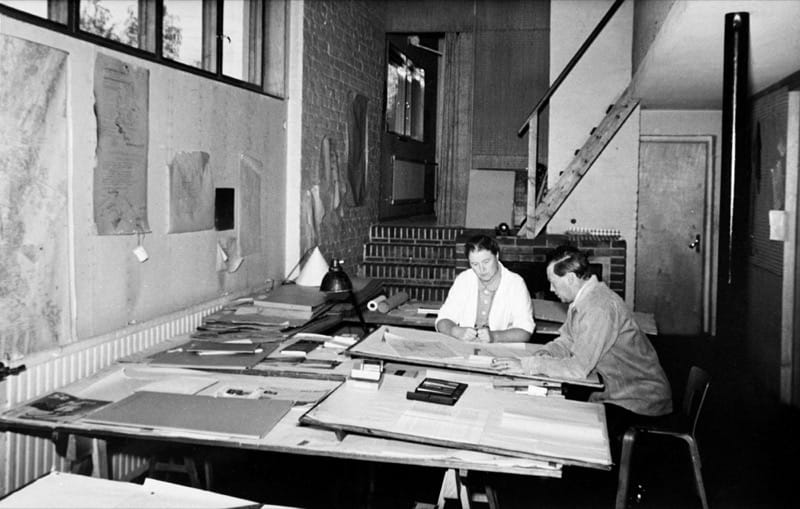
Alvar and Aino Aalto proved that modernism did not have to mean cold, rigid, or machine-like. Working from Finland, they brought warmth, humanity, and organic form to a movement that often prized abstraction over experience.
While their contemporaries in Central Europe worked with steel and glass, the Aaltos turned to birch, brick, and copper. Their buildings breathe. The Paimio Sanatorium (1933) was designed not just as architecture but as a therapeutic environment — every detail, from the angle of the washbasins to the colour of the ceilings, was calibrated to aid recovery.
Their furniture, produced through Artek, demonstrated the same philosophy. The bent birch of Stool 60 or the Paimio Chair was not a rejection of industrial production but a humanisation of it. These are objects that age well, that feel good in the hand, that belong in homes rather than museums.